
Table of Contents
Social Connection as a Pillar of Wellbeing
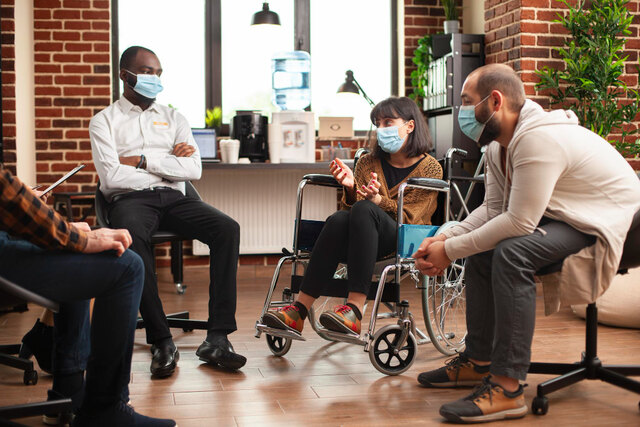
Mental health and emotional wellbeing are deeply influenced by social connection, participation, and a sense of belonging. For many individuals living with disability, barriers such as mobility challenges, social anxiety, communication difficulties, or limited access to community spaces can increase the risk of isolation. This is where structured NDIS social support programs play a transformative role. By encouraging meaningful interaction and shared experiences, social and group-based supports help participants build confidence, reduce loneliness, and improve overall psychological health.
Human connection is not simply a lifestyle preference — it is a fundamental contributor to mental resilience and emotional stability.
Reducing Isolation and Loneliness
Isolation can significantly impact mental health, often contributing to anxiety, depression, and reduced self-esteem. Participating in group activities introduces opportunities for conversation, friendship, and routine engagement with others. These interactions foster a sense of inclusion and normalcy, helping participants feel connected to their wider community rather than separated from it.
Regular involvement in community participation activities can help stabilise mood, increase motivation, and reduce feelings of withdrawal.
Building Confidence and Social Skills
Social support environments provide a safe and structured setting where participants can develop interpersonal skills at their own pace. Group activities encourage communication, cooperation, and self-expression, helping individuals gain confidence in social situations. Over time, these experiences can reduce social anxiety and strengthen the ability to engage in broader community settings.
Positive social experiences often translate into improved self-image and greater willingness to explore new opportunities.
Supporting Emotional Regulation and Routine
Consistent participation in social programs introduces structure and predictability into a participant’s routine. Scheduled activities create anticipation, purpose, and engagement, which are important for mental wellbeing. Routine interaction also provides emotional stimulation, helping reduce boredom and inactivity that can negatively affect mood.
Encouraging Independence and Personal Growth
Social and group supports often promote independence by encouraging participants to explore interests, hobbies, and shared experiences. Whether through recreational outings, skill-building workshops, or peer engagement sessions, these activities support personal development while reinforcing emotional wellbeing.
Strengthening Mental Wellbeing Through Connection
Access to structured social support is more than a recreational benefit — it is a critical mental health resource. Well-designed NDIS-funded group activities help participants feel valued, connected, and supported, contributing to improved confidence, emotional stability, and overall quality of life.